

DIY Soundproof: Cheapest Soundproofing with Audimute Sheets
2/03/2011
Audimute Soundproofing
, Posted in
cheapest soundproofing
,
diy soundproofing
,
0 Comments
2/03/2011
Audimute Soundproofing
, Posted in
cheapest soundproofing
,
diy soundproofing
,
0 Comments
Many people automatically think of a fiber glass panel or a fiberglass acoustic sound board when they’re looking for an acoustic solution. But you may want to think again. Did you know that the main component to a fiber glass panel contains potentially irritating materials?
In 1994, rumors about the possible dangers of a fiber glass panel began to swirl, with the National Toxicology Program (NTP) stating that fiberglass was “reasonably anticipated to be a human carcinogen” based on animal data. Studies that have been done over the past 15 years caused the NTP to revise their statement, showing a lack of evidence needed to determine a link between cancer and fiberglass. Although the current state of fiberglass safety is still debatable, the U.S. Occupational Safety and Health Administration (OSHA) requires all fiberglass acoustic sound board packages to display cancer warning labels stating that direct contact with fiberglass materials or exposure to airborne fiberglass dust may irritate the skin, eyes, nose and throat.
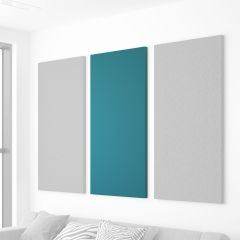
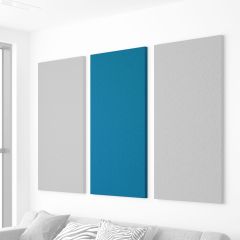
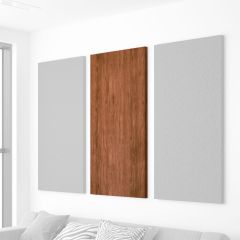
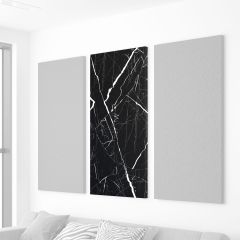
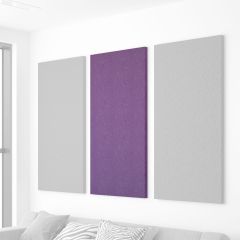
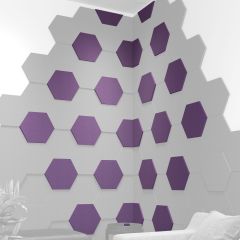
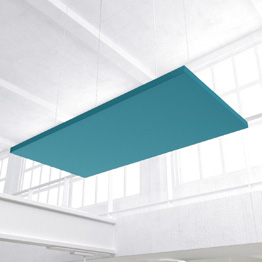
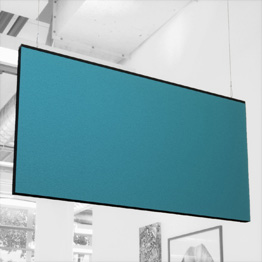
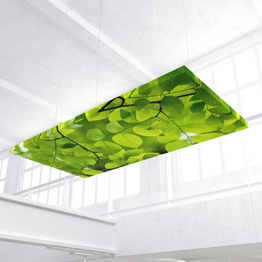
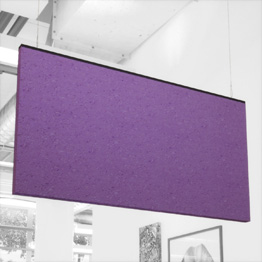
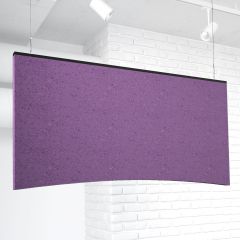
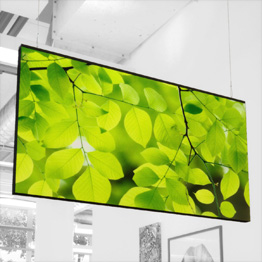
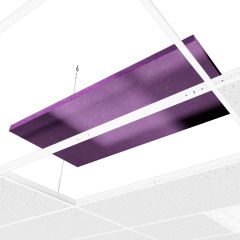
To avoid possible issues with fiberglass, Audimute created a safe eco-C-tex pane, comprised of recycled cotton and cellulose. These panels are not only safer for you—they also optimize room sound more effectively than a fiberglass acoustic sound board or a fiber glass panel can. Available in a wide variety of colors, shapes and sizes, Audimute Acoustic Panels also have the option to be customized using your own photo or image to create a unique, custom look for your room.
Call Audimute toll free at 800-505-MUTE (6883) or chat with us online during business hours, and let us show you the benefits of using our affordable, environmentally friendly acoustical panels instead of a fiber glass panel. Available in a variety of sizes, shapes, and colors—and customizable with images—Audimute’s acoustical panels will make your room look as good as it sounds.
There are no “one size fits all” acoustic solutions. Every situation is different, and all you need is a little knowledge to make the right choice. Here are a few things to keep in mind as you pursue your personal acoustic solutions.
First, make sure you’re getting the right stuff. Sound absorption isn’t soundproofing, generally speaking. Absorption is for managing echo and reflection inside a space, not keeping sound in or out.
Absorption is used anywhere that clear, tight sound is essential. It keeps high and mid frequencies under control, and you get a better sound experience.
Do you need an acoustic solution, a noise stopper? Is your home, apartment, office, or studio a place where unwanted noise has been an issue? If your answer is yes, you’re not alone. Fortunately, you also have several options to help you stop noise using sound insulation materials.
Sound insulation materials, or sound barriers, are different from sound absorption materials. Sound insulation materials may be used as a noise stopper by impeding the transmission of sound waves through floors, walls, windows vents, and other materials. Absorption materials, on the other hand, are not designed to stop noise from traveling; instead they will reduce the intensity and build up of noise within a room by absorbing echoes and reverberation.
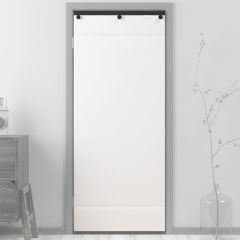
The distinction between the two is important when it comes to choosing which product to purchase as a noise stopper. When looking for a noise stopper that blocks sound from leaving and entering a room, Audimute sound insulation materials will most likely be your best bet.
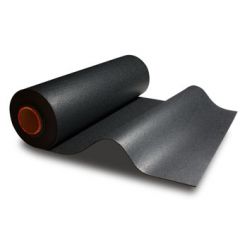
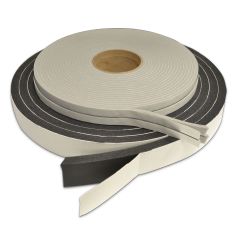
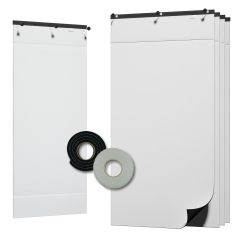
Peacemaker is a noise stopping solution that is not only highly-effective, but is also inexpensive and eco-friendly. Made from durable, flexible rubber material and sold in various thicknesses, Peacemaker works best when applied between drywall, with overlapping seams or seams sealed with seam tape, improving the STC of a room enough to cause a significant difference noticeable to the human ear.
Keep in mind that even soundproofing experts cannot tell you exactly the quantity of sound insulation materials needed to produce the change you are looking for. Every room is different, and sound is a subjective experience. For this reason, Audimute typically encourages customers to buy smart and start out with simpler soundproofing techniques, adding more expensive and more permanent solutions based on your needs and expectations. A lot of individual factors, such as the dimensions of your room or how many doors and windows you have in your space, air gaps, materials behind your walls, your lighting fixtures, even the humidity or temperature of your space can have an impact on your sound insulation needs.
To come up with a plan that will work for you, give Audimute a call at 1-866-505-6883, try chatting with us on our website, or submit our free room analysis form and let us get back to you with some personalized advice. We will be more than happy to talk about your individual needs and help you figure out the best way to go about soundproofing your room. You need a noise stopper? We’ll stop the noise.
When constructing a home theater, it makes sense to pay a lot of attention to the selection of electronic elements, from the kind and size of screen to the type of projector to the configuration of the speakers. It’s fun and exciting to put together the dream system. Only one problem…even the best equipment will deliver a sub-par experience when the home theatre designer overlooks the issue of controlling sound after it leaves the speakers. A relatively small investment in home theater acoustic panels, placed strategically, will help your system deliver peak performance.
A home theater acoustic panel is, essentially, a sound absorbent material mounted on the wall. To have a complete a cinematic experience at home, use theater acoustic panels to reduce the bouncing of sounds off hard wall surfaces, control echo and reverberation, and reduce volume levels by up to 60%. The effect of well placed theater acoustic panels in an otherwise well designed home theatre is increased clarity of sound, reduced sound distortion, and a better audio-visual experience.
Audimute has a range of acoustic home theater panels in a variety of shapes and sizes easily mixed and matched to complement your specific home theatre's acoustics needs. You can even customize the panels with your own artwork or photographs. Home theater acoustics can make or break a movie-watching experience. If you're investing the time and expense of constructing a home theater, don't consider the job done without making sure the sound quality is superb.
12/01/2010
Audimute Soundproofing
, Posted in
acoustic foam and fiberglass alternatives
,
0 Comments
Acoustical fiberglass and acoustic foam have a long tradition of use in treating sound. Typically used in acoustic tiles and acoustical panels, fiberglass and foam offered a reasonably inexpensive and effective method of controlling sound. All acoustic tiles and panels work in essentially the same way - by trapping sound waves that cause reverberation and echoes. However, not all acoustical tiles and panels are a healthy choice for you or the environment. The great debate over the safety of acoustical fiberglass has been going on for years, and the question of the environmental impact of acoustical foam is percolating. Some of the fastest growth in the building industry, today, revolves around finding and using materials that are more human and eco-friendly than what was used in the past.
Back in the 1980s, the use of acoustical fiberglass as sound insulation fell under intense speculation, when implantation experiments with small animals showed an increase in the development of lung cancer and immune system disorders in the animals. In the years since these findings, numerous governmental experiments have released reports establishing the safety of acoustical fiberglass to humans as an insulation and thermal heating material. The same studies warn against the exposure to such materials during the installation process. Many companies who produce acoustical fiberglass and acoustic tiles have produced safety manuals for their customers as a precautionary tool to help protect against possible inhalation of the product during installation.Acoustical foams, traditionally, have been manufactured using petroleum-based chemicals. Though effective as absorptive materials, the environmental impact of manufacturing acoustical foam and the difficulty of how to safely dispose of it in some way other than tossing it into landfills should concern consumers of sound treating products who wish to minimize their carbon footprint.
With so much debate about the safety of acoustical fiberglass and the problems associated with manufacturing and waste of acoustic foam, it should come as a relief to know that a highly-effective yet affordable alternative solution for sound absorption is available!
Audimute acoustic absorption products are just as effective as fiberglass (and foam) at reducing reflected sound in a room by absorbing echoes and reverberation. And they are much safer to use. Unlike foam or fiberglass products, Audimute sheets contain natural materials that absorb sound (cotton, etc) and make use of reclaimed fabric. Wall coverings and acoustic panels contain eco-C-tex, the GREENEST sound absorbing material in today's marketplace! Eco-C-tex is a blend of recycled cotton and cellulose fibers (the majority of which is post-consumer recycled newspaper)!
We encourage you to choose an acoustic absorption product to meet your aesthetic needs and your budget. As a company, Audimute is committed to producing eco-friendly products and limiting the environmental impact of our manufacturing, distribution, and life cycle of our products, while offering keeping our line as affordable and attractive as possible.
If you have a home theater, or are thinking of creating one, you probably appreciate the convenience of avoiding trip to the theater hassles and watching almost any film or television series you can get from Netflix or your favorite DVD, BluRay, or HD-DVD. To fully utilize the space you have, you should consider incorporating home theater acoustic panels in your home theatre design. Of course the projection equipment, speakers, and seating arrangement matter. But you are also going to hear your room…and most rooms don't sound great.
To get a better idea of what I mean, forget an acoustic panels home theater set up for the moment, and imagine your current system playing on medium volume in a room made of concrete or cinder blocks. Can you hear any sound over the building echoes and reverb? Now, imagine the same system in a room coated ceiling, floor, and walls in eggshell acoustic foam. The sound is empty and the aesthetics of the room make you sick, right? Let’s get away from the extremes, and step back to the question of why you may need home theater acoustic panels.
First, take into account the sound output and how hard walls (even drywall or gypsum board) can distort the sound. Good home theater room design addresses these acoustic issues, and should include acoustic panels to reduce reverberation and echo. The addition of acoustic panels to your home theater design will not only improve the room's sound, but contribute to its overall look.
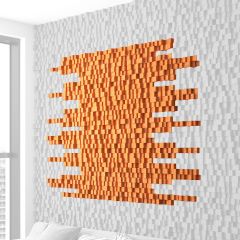
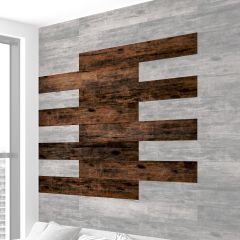
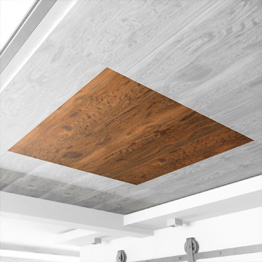
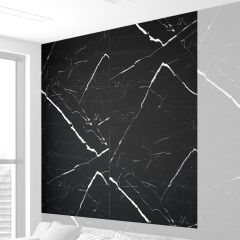
Audimute home theater acoustic panels come in standard sizes and colors, and can be customized, either by mixing and matching standard sizes, shapes, and colors, or by creating and implementing a design (photographs, artwork, logos) all your own. Audimute can even help you select stock imagery available at low cost or free (they offer nearly 500 stock images in their online gallery) or work with your own photographs and arrange to have them printed on your acoustic panels. For acoustic panels in a home theater and a design plan that looks good AND performs well, think about giving Audimute acoustic consultants a chance to help you find the right sound solution.